
Accessory Dwelling Units (ADUs)
What is an Accessory Dwelling Unit?
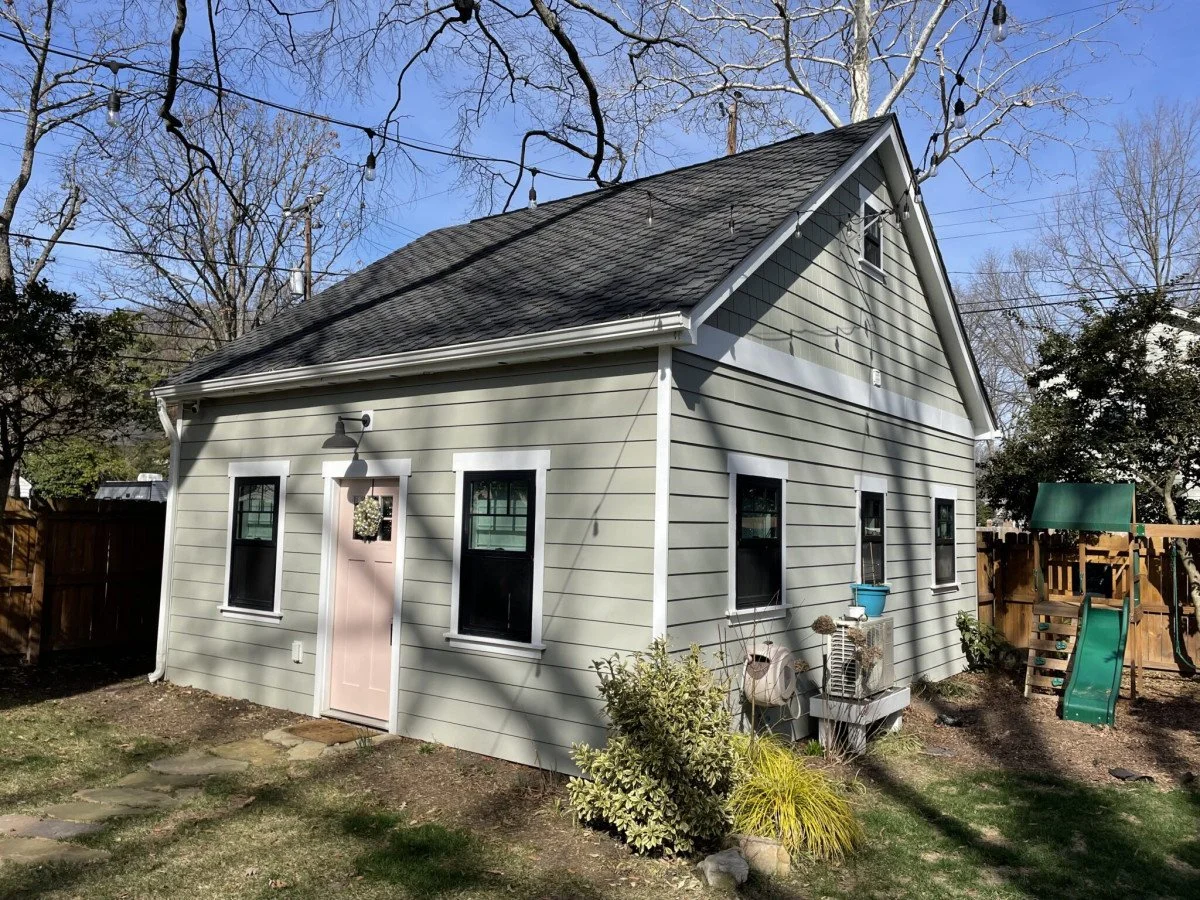
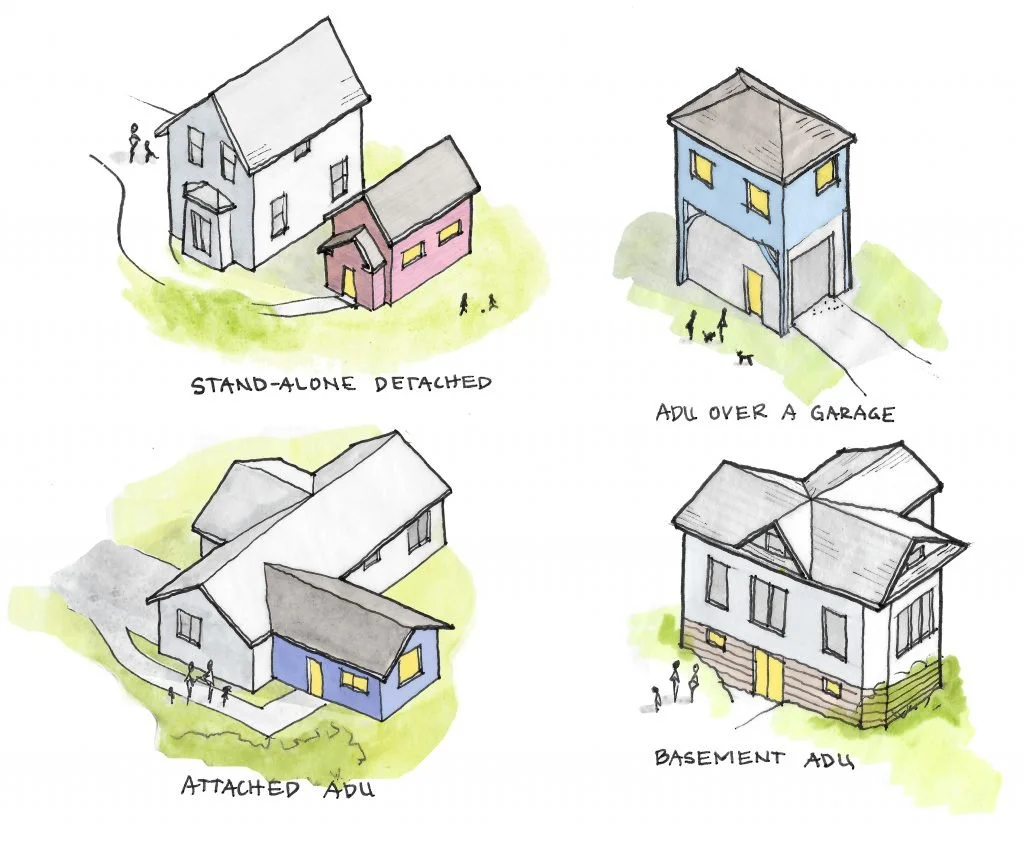
An accessory dwelling unit (ADU) is a small, independent home located on the same lot as a single-family house. ADUs may be attached — like a basement apartment or garage conversion — or detached, like a backyard cottage. Each ADU includes:
Space for living and sleeping
A kitchen
A bathroom
Independent access
Support for Homeowners
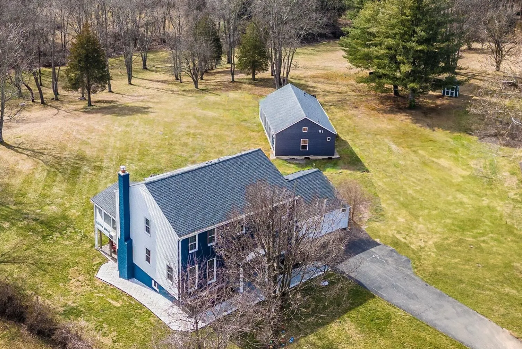
Homeowners can use ADUs for family, caretakers, or rental income to help offset rising housing costs.
What the bill prevents:
Localities may not require:
Special use permits.
New dedicated parking (with narrow safety exceptions).
Stricter height, setback, lot size, or coverage rules than for single-family homes.
Covenants or family-only occupancy requirements.
Street improvements unrelated to ADU construction.
Protections & Local Flexibility
The bill does not override HOA or condo covenants, does not affect existing ADU permits, and respects local ordinances adopted before 2025 that comply with the law.
Local governments retain authority over health, safety, historic districts, stormwater, building codes, and emergency access.
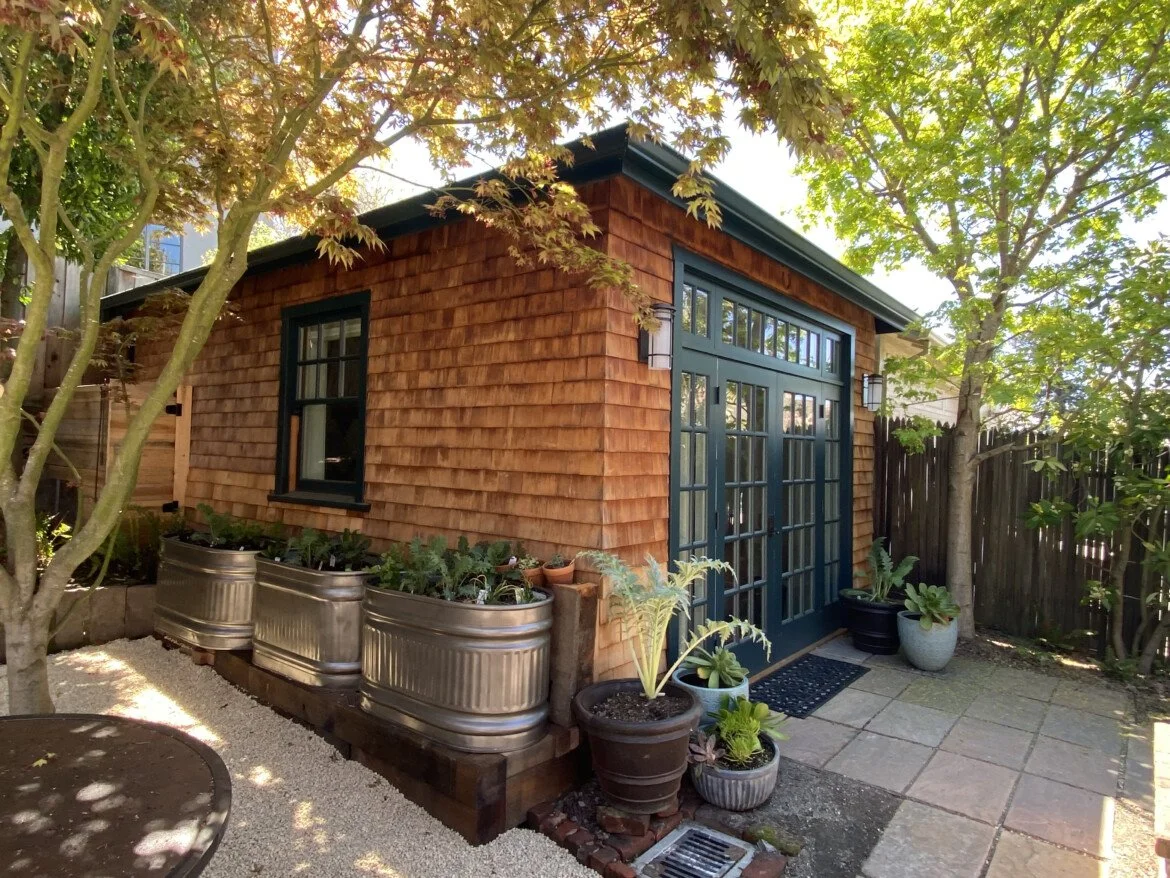
ADUs add gentle, incremental housing within existing neighborhoods — no rezoning or major infrastructure needed.
Affordable Options
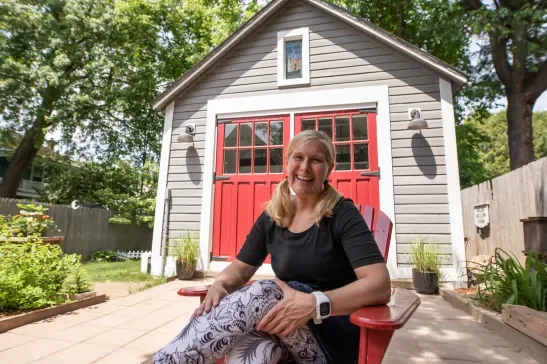
ADUs are typically more attainable than new single-family homes, offering options for seniors, young adults, and working families.
So what does the bill do?
What the bill allows:
ADUs become a permitted use in all single-family zoning districts.
Every homeowner can build at least one ADU.
A simple ADU permit with a fee cap of $500.
Reasonable local regulation on building code, safety, environmental standards, and parking replacement if required space is lost.
30+ day lease minimum to prevent short-term rentals.
Owner-occupancy allowed for either the ADU or the main home at time of application.